Month: November 2026

Understanding Surge Protection Types Encourages Efficient Installation Planning

Electrical installations benefit from carefully selected protection devices that help maintain reliable power distribution and safeguard connected equipment. Understanding the different categories of surge protection allows electrical professionals to plan installations according to system requirements, equipment sensitivity, and expected exposure to transient voltage conditions. Proper selection also encourages coordinated protection, efficient installation practices, and dependable electrical performance.

Understanding Different Surge Protection Categories

Surge protection devices are designed to manage transient overvoltages and help protect electrical installations. Each type serves a particular purpose, making it important to understand its characteristics before planning an effective protection arrangement.

  • Type 1 devices help manage high-energy surge currents associated with direct lightning effects.
  • Type 2 devices provide protection against induced lightning surges and switching transients.
  • Type 3 devices offer additional protection close to sensitive electrical equipment.
  • Different protection categories support various installation requirements.
  • Coordinated device selection strengthens overall electrical safety.

Evaluating Electrical Installation Requirements

Every electrical installation has specific characteristics that influence suitable protection arrangements. Evaluating the power distribution system, incoming supply, grounding configuration, and connected equipment helps professionals select appropriate devices and plan effective installation layouts.

  • Assess the electrical distribution arrangement.
  • Consider the installation’s lightning exposure.
  • Review the connected equipment’s sensitivity.
  • Examine grounding and bonding requirements.
  • Identify suitable locations for protection devices.

Improving Coordination Between Protection Devices

Coordinated surge protection creates multiple layers of defense throughout an electrical installation. Selecting compatible devices helps distribute protective responsibilities effectively, allowing different protection stages to work together while supporting reliable operation.

  • Combine suitable protection stages where required.
  • Consider voltage protection levels and operating characteristics.
  • Maintain appropriate coordination between devices.
  • Follow recommended installation and wiring practices.
  • Support consistent protection across connected circuits.

Supporting Better Installation Planning

Organized planning makes surge protection installations more efficient and dependable. Understanding device specifications, electrical connections, and mounting requirements helps professionals prepare suitable arrangements while maintaining accessibility for inspection and future maintenance.

  • Select devices according to system voltage requirements.
  • Consider available distribution panel space.
  • Plan appropriate conductor lengths and connections.
  • Provide suitable overcurrent protection where required.
  • Maintain convenient access for inspection and servicing.

Protecting Sensitive Electrical Equipment

Modern installations contain electronic equipment that benefits from appropriate transient voltage protection. Carefully selected protection devices help reduce electrical stress on sensitive components and support dependable performance across residential, commercial, and industrial applications.

  • Support protection for electronic control systems.
  • Help safeguard communication and monitoring equipment.
  • Provide additional protection near sensitive loads.
  • Encourage reliable operation of connected devices.
  • Improve confidence in electrical system planning.

Building Knowledge Through Technical Resources

Reliable technical information helps professionals understand the differences between protection categories and their practical applications. Reference materials such as https://lsp.global/spd-type-1-vs-type-2-vs-type-3/ can support informed comparisons and encourage better selection decisions.

  • Improve familiarity with device classifications.
  • Understand the purpose of each protection category.
  • Compare important technical specifications.
  • Strengthen installation planning knowledge.
  • Encourage informed protection decisions.

Encouraging Reliable Electrical Performance

Thoughtful surge protection planning contributes to dependable electrical installations and effective equipment protection. By understanding device categories, evaluating installation conditions, and coordinating suitable protection stages, professionals can create well-organized systems that support long-term reliability and efficient electrical performance.
Complete Service Manuals Encourage Consistent Equipment Care

Proper equipment care plays an important role in maintaining machinery performance, supporting productivity, and extending operational life. Regular inspections and organized maintenance activities help equipment owners keep essential components in suitable working condition. Complete service manuals provide valuable technical information that makes equipment maintenance more convenient and understandable. Through detailed explanations, component illustrations, and practical servicing recommendations, these resources encourage consistent equipment care and support reliable machinery operation.

Understanding Equipment Components and Functions

Comprehensive service manuals explain different machinery components and describe how individual systems contribute to overall equipment performance. Clear technical descriptions help operators understand equipment structures and recognize the importance of regular maintenance.

Important technical details include:

  • Engine components and operating specifications.
  • Transmission systems and mechanical functions.
  • Hydraulic arrangements and pressure information.
  • Electrical connections and circuit descriptions.
  • Cooling systems and lubrication requirements.

These explanations improve technical awareness and help equipment owners develop better maintenance practices.

Encouraging Regular Preventive Maintenance

Consistent preventive maintenance helps preserve machinery condition and supports dependable equipment performance. Service manuals provide useful recommendations for inspections, lubrication, adjustments, and routine servicing. Following suitable maintenance schedules encourages organized equipment care.

Essential maintenance information covers:

  • Recommended inspection intervals and service schedules.
  • Engine oil and fluid replacement requirements.
  • Air and fuel filter maintenance guidelines.
  • Lubrication points and component care.
  • Cooling system inspection recommendations.

These details make routine maintenance easier to organize while supporting long-term equipment efficiency.

Simplifying Equipment Inspection and Servicing

Detailed service documentation helps operators understand inspection requirements and identify the components that need regular attention. Illustrated explanations provide useful references for examining mechanical arrangements and understanding different servicing activities. This information encourages accurate inspections and improves maintenance confidence.

Useful inspection references include:

  • Component identification and location diagrams.
  • Mechanical assembly illustrations.
  • Electrical system inspection information.
  • Hydraulic hose and connection descriptions.
  • Adjustment and alignment specifications.

Such resources support better equipment assessments and encourage consistent servicing practices.

Supporting Accurate Repairs and Technical Knowledge

Complete service manuals offer valuable information about repair requirements, component specifications, and machinery operating principles. Technicians can refer to detailed descriptions to understand equipment systems and perform maintenance activities confidently. Resources such as the John Deere Technical Service Manual provide useful technical references for understanding machinery functions and servicing requirements.

Important repair information includes:

  • Engine troubleshooting descriptions.
  • Transmission inspection guidelines.
  • Hydraulic system repair information.
  • Electrical circuit diagrams.
  • Component assembly and disassembly references.

Access to organized technical details supports informed repair decisions and improves servicing accuracy.

Improving Equipment Management and Maintenance Planning

Organized documentation makes equipment management more convenient by keeping essential servicing information accessible. Operators can refer to maintenance schedules, technical specifications, and inspection recommendations when planning routine equipment care.

Additional management benefits include:

  • Better maintenance record organization.
  • Improved servicing schedule preparation.
  • Easier access to equipment specifications.
  • Consistent inspection practices.
  • More effective workshop coordination.

These advantages encourage efficient equipment management and support productive daily operations.

Promoting Long-Term Equipment Performance

Complete service manuals bring together practical maintenance guidance and essential technical knowledge that support reliable machinery operation. Their detailed explanations help equipment owners understand servicing requirements, maintain important components, and develop consistent inspection habits. By using accurate documentation and following appropriate maintenance recommendations, operators can preserve equipment condition, improve operational efficiency, and encourage long-term reliability. Consistent equipment care ultimately contributes to productive activities and dependable machinery performance

Quality Paint Protection Keeps Vehicles Looking Fresh And Beautiful

A vehicle’s exterior appearance plays an important role in creating a lasting impression. Maintaining a clean, glossy, and attractive finish requires proper care and effective protective solutions. Everyday driving exposes vehicle paint to sunlight, dust, road debris, and environmental elements. Quality paint protection helps maintain the original beauty of automotive surfaces while supporting their long-term appearance. With suitable protective materials and professional application, vehicle owners can enjoy impressive finishes and greater confidence in their vehicle’s exterior condition.

Advanced Paint Protection Enhances Exterior Beauty

Modern paint protection solutions provide an effective way to maintain attractive vehicle finishes. Protective films create an additional layer over painted surfaces, helping preserve their original shine and smooth appearance. These solutions combine visual appeal with practical protection for everyday driving.

Important benefits include:

  • Maintaining the vehicle’s original paint appearance.
  • Supporting a smooth and glossy exterior finish.
  • Providing an additional protective surface.
  • Helping reduce the appearance of minor surface marks.
  • Preserving the vehicle’s attractive overall presentation.

Protective Films Support Long-Lasting Finishes

Paint protection films are designed to create a transparent barrier over selected vehicle panels. Their flexible construction allows them to follow different surface contours while maintaining a clean and refined appearance. Professional installation helps achieve consistent coverage and an attractive finish.

Some valuable features include:

  • Transparent coverage that maintains original paint colors.
  • Flexible materials designed for different body panels.
  • Smooth application for a refined exterior appearance.
  • Protection against everyday environmental exposure.
  • Durable construction that supports continued surface care.

Preserve Paint Quality With Everyday Protection

Regular exposure to sunlight, dirt, moisture, and road particles can influence the appearance of automotive paint. Suitable protective solutions help reduce direct contact between these elements and the painted surface. This additional layer supports easier maintenance and helps vehicles retain their fresh appearance.

Paint protection offers several advantages:

  • Helps minimize exposure to road contaminants.
  • Supports protection against minor surface abrasions.
  • Reduces direct contact with environmental pollutants.
  • Helps maintain the paint’s attractive appearance.
  • Makes routine exterior maintenance more convenient.

Professional Application Delivers Beautiful Results

Proper installation is essential for achieving a neat and consistent protective finish. Skilled technicians carefully prepare the vehicle surface, measure the required film coverage, and apply the material with attention to detail. This professional approach helps minimize visible edges, bubbles, and uneven areas.

Quality installation focuses on:

  • Thorough cleaning before protective film application.
  • Accurate measurements for individual vehicle panels.
  • Careful positioning and smooth film placement.
  • Detailed finishing around edges and curves.
  • Final inspection for consistent coverage and appearance.

Maintain Vehicle Shine With Proper Care

Protective films work best when supported by suitable cleaning and maintenance habits. Gentle washing methods and appropriate automotive care products help maintain the film’s clarity and attractive finish. Regular inspections also support the continued performance and appearance of protected surfaces.

Helpful maintenance practices include:

  • Washing the vehicle with gentle cleaning products.
  • Using soft microfiber materials for exterior cleaning.
  • Removing dirt and contaminants regularly.
  • Following recommended film maintenance guidelines.
  • Checking protected surfaces during routine vehicle care.

Enjoy Lasting Beauty With Quality Paint Protection

Choosing suitable paint protection is a valuable way to maintain automotive beauty and support exterior preservation. Professional solutions available through https://juielsautoclinic.com/auto-body-painting/ppf-films/ help vehicle owners explore protective film options for maintaining attractive finishes. With quality materials, expert application, and consistent maintenance, vehicles can continue looking fresh, polished, and beautiful while retaining their original visual appeal.

Subsurface Investigations Help Reveal Important Property Environmental Conditions

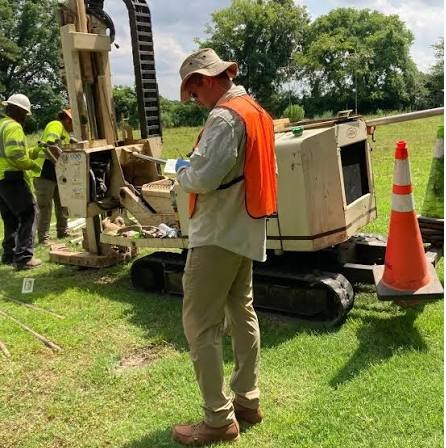
Understanding the environmental characteristics beneath a property is an essential part of responsible land management and successful development planning. Subsurface investigations provide valuable information about underground soil, groundwater, and other environmental conditions that may influence construction activities and property use. By gathering accurate information through professional assessments, property owners and developers can make informed decisions, improve project preparation, and support long-term environmental responsibility.

Understanding Underground Property Conditions

Every property has unique underground characteristics that deserve careful attention before development begins. Subsurface investigations help uncover important details about soil composition, groundwater movement, and potential environmental concerns, creating a clearer understanding of the land.

These assessments offer several valuable benefits:

  • Improved understanding of underground soil characteristics.
  • Better awareness of groundwater conditions.
  • Identification of potential environmental considerations.
  • Reliable information for future development planning.
  • Greater confidence in property-related decisions.

Supporting Informed Property Development

Ii Environmental Assessments

Successful development begins with dependable information. Evaluating underground conditions allows project teams to understand the site’s physical characteristics and prepare suitable development strategies. This knowledge supports practical planning while encouraging responsible land utilization.

Professional investigations contribute to:

  • More informed construction planning.
  • Improved project preparation and coordination.
  • Better understanding of site-specific requirements.
  • Greater confidence in development feasibility.
  • Responsible property improvement decisions.

Identifying Soil And Groundwater Characteristics

Soil and groundwater conditions play important roles in determining how a property can be developed and maintained. Through systematic sampling and technical evaluation, subsurface investigations reveal useful details about underground materials and water conditions.

Important areas of assessment include:

  • Soil composition and physical properties.
  • Groundwater depth and movement patterns.
  • Potential presence of environmental contaminants.
  • Variations in underground soil layers.
  • Conditions that may influence construction activities.

Strengthening Environmental Awareness

Environmental awareness encourages property owners to make thoughtful decisions that benefit both development projects and surrounding natural resources. Detailed underground assessments provide useful information about existing environmental conditions, helping stakeholders recognize opportunities for responsible property management.

Some important advantages include:

  • Better understanding of environmental site conditions.
  • Support for appropriate environmental management practices.
  • Improved awareness of potential contamination concerns.
  • More effective planning for environmental protection.
  • Stronger foundations for sustainable development.

Improving Project Confidence Through Professional Expertise

Experienced environmental professionals bring technical knowledge, appropriate sampling methods, and analytical capabilities to property assessments. Their systematic approach helps transform underground observations into meaningful findings that support practical decisions.

Reliable investigation services offer:

  • Carefully planned sampling procedures.
  • Accurate laboratory testing and analysis.
  • Detailed documentation of environmental findings.
  • Clear communication of assessment results.
  • Useful recommendations for future planning.

Creating Long-Term Value Through Better Information

Reliable underground information contributes to better property management throughout different stages of ownership and development. When stakeholders understand existing site conditions, they can plan improvements more effectively and maintain greater awareness of environmental responsibilities. Property owners seeking additional information can click here to explore how professional assessment services support informed decisions. Combining technical expertise with dependable environmental data encourages transparency, confidence, and responsible investment. Ultimately, subsurface investigations provide an important foundation for understanding property environmental conditions. By identifying underground characteristics, evaluating environmental considerations, and supporting informed planning, these assessments help create positive opportunities for safer construction, effective property management, and sustainable development. Investing in reliable site knowledge today encourages better decisions and lasting value for the future.

Simplifying Public Sector Bidding With Organized SLED Solicitations

Public sector bidding offers valuable opportunities for businesses seeking consistent projects, meaningful partnerships, and sustainable growth. However, managing multiple opportunities requires an organized approach to research, evaluation, and proposal preparation. A structured bidding process helps businesses identify suitable projects, understand requirements, and prepare competitive submissions with greater confidence. By improving how opportunities are discovered and managed, businesses can create a more productive path toward long-term success.

Understanding Public Sector Bidding

Public sector procurement involves purchasing goods, services, and solutions through formal bidding processes. These opportunities often include detailed requirements, submission deadlines, eligibility conditions, and evaluation criteria.

An organized approach helps businesses:

  • Discover relevant procurement opportunities.
  • Understand project requirements clearly.
  • Identify suitable bidding categories.
  • Monitor upcoming submission deadlines.
  • Prepare accurate proposal documentation.
  • Maintain consistent bidding records.

Having reliable information available makes opportunity assessment easier and supports better planning throughout the procurement journey.

Making Opportunity Discovery More Efficient

Finding suitable opportunities is an important part of successful bidding. Businesses can improve their research process by using organized information sources and structured search methods. When exploring SLED solicitations near me, reviewing opportunities according to industry relevance, project scope, and eligibility requirements can help create a more focused search experience.

A well-organized discovery process offers several advantages:

  • Saves valuable research time.
  • Highlights relevant contract opportunities.
  • Improves visibility into new projects.
  • Supports faster opportunity comparisons.
  • Helps identify recurring procurement needs.
  • Encourages proactive bidding strategies.

These advantages allow teams to spend more time evaluating promising opportunities and developing strong proposals.

Improving Proposal Preparation

A successful submission depends on careful preparation and clear communication. Businesses benefit from maintaining a consistent workflow that brings together research, documentation, collaboration, and final reviews.

Important preparation practices include:

  • Create reusable proposal templates.
  • Maintain updated business documentation.
  • Review eligibility requirements carefully.
  • Assign responsibilities across team members.
  • Establish internal submission deadlines.
  • Verify pricing and technical information.
  • Organize supporting documents systematically.

These practices encourage accuracy while making the overall submission process easier to manage.

Strengthening Team Coordination

Public sector bidding often involves several responsibilities that require effective communication. A coordinated team can manage research, documentation, financial planning, and proposal development without unnecessary confusion.

Useful coordination methods include:

  • Schedule regular progress discussions.
  • Share important procurement updates.
  • Track responsibilities and completed tasks.
  • Maintain centralized document records.
  • Review proposal quality collectively.
  • Encourage timely internal feedback.

Clear communication helps everyone understand their responsibilities and contribute effectively.

Building a Consistent Bidding Strategy

Long-term success comes from continuously improving procurement activities. Businesses can review previous submissions, identify successful practices, and refine their approach for future opportunities.

Maintaining organized records also helps teams recognize relevant project patterns, understand changing requirements, and improve preparation methods.

Creating Better Growth Opportunities

An organized approach to public sector bidding supports stronger research, efficient collaboration, and confident decision-making. By combining relevant opportunity discovery with structured documentation and consistent preparation, businesses can develop a reliable procurement strategy. These improvements make bidding activities more manageable while helping organizations pursue suitable contracts, strengthen their capabilities, and build lasting opportunities for future business growth.