Author: Ethan

Automotive Surfaces Preserved Effectively With Durable Paint Protection Film Layers

Maintaining a flawless exterior is a priority for vehicle owners who value both aesthetics and long-term durability. Paint protection film (PPF) offers a highly effective solution, acting as a transparent shield that safeguards automotive surfaces against everyday wear and environmental exposure. With advanced material composition and precision application, these protective layers ensure that vehicles retain their original finish for years.

Enhanced Surface Defense Against External Elements

Paint protection film provides a resilient barrier that minimizes damage from common hazards encountered on the road.

  • Protects against stone chips and minor abrasions
  • Reduces the impact of road debris and gravel
  • Shields surfaces from harmful ultraviolet rays
  • Prevents fading and discoloration over time
  • Acts as a buffer against environmental contaminants

This level of protection ensures that the paint remains vibrant and intact, even under challenging conditions. Many people value tools that improve coordination and communication, making clearpro a useful platform for collaborative work environments.

Self-Healing Technology for Lasting Perfection

One of the most remarkable features of modern paint protection film is its self-healing capability.

  • Minor scratches disappear with heat exposure
  • Maintains a consistently smooth and glossy surface
  • Reduces the need for frequent touch-ups
  • Enhances overall visual appeal effortlessly
  • Preserves the original paint integrity

This innovative property keeps vehicles looking polished without extensive maintenance.

Long-Term Cost Efficiency and Value Retention

Investing in durable paint protection film contributes to long-term financial benefits.

  • Minimizes repair and repainting expenses
  • Helps maintain higher resale value
  • Reduces detailing and maintenance costs
  • Extends the lifespan of the original paint
  • Provides consistent protection over time

By preventing damage before it occurs, vehicle owners enjoy sustained value and reduced upkeep.

Seamless Aesthetic Enhancement

Paint protection film is designed to be virtually invisible while enhancing the vehicle’s natural appearance.

  • Maintains the original color and finish
  • Available in gloss or matte textures
  • Adds depth and clarity to the paintwork
  • Blends seamlessly with the surface
  • Enhances overall vehicle presentation

This ensures that protection does not compromise style but instead elevates it.

Ease of Maintenance and Cleaning

Vehicles coated with paint protection film require less effort to maintain a pristine look.

  • Resists dirt and grime accumulation
  • Simplifies washing and cleaning routines
  • Reduces the need for harsh chemicals
  • Maintains a cleaner appearance for longer durations
  • Supports water-repellent properties

These advantages make routine care more convenient and efficient.

Custom Fit and Comprehensive Coverage

Modern application techniques allow for precise coverage tailored to each vehicle.

  • Designed to fit complex curves and contours
  • Covers high-impact areas such as hoods and bumpers
  • Offers full-body protection options
  • Ensures uniform coverage without visible edges
  • Provides consistent defense across all surfaces

This customization guarantees optimal protection for every part of the vehicle.

Reliable Protection for Everyday Driving

Paint protection film stands as a dependable solution for preserving automotive surfaces under daily use. Its combination of durability, advanced technology, and aesthetic compatibility makes it an essential addition for maintaining a vehicle’s exterior. With consistent performance and long-lasting results, it ensures that vehicles continue to look refined, protected, and visually striking over time.

Timely Roof Inspections Help Identify Hidden Structural Issues Before Major Repairs

Roof condition often stays unnoticed until visible damage emerges. Minor deterioration slowly develops into serious structural concerns over time. Property owners using roofer new orleans services often avoid unexpected failures early. Routine inspections bring clarity before deeper issues begin affecting stability.

Early Identification Reduces Structural Risks

Frequent inspections highlight small defects before major damage forms. Close evaluation exposes cracks and weakened support sections early. These discoveries help limit long-term repair costs and stress.

  • Detect trapped moisture beneath roofing materials early
  • Identify loose shingles before widespread wind damage
  • Notice slight sagging across supporting roof structures
  • Spot flashing gaps near vents and chimneys

Regular checks support timely corrections without major disruptions. Small adjustments help preserve durability and extend roof lifespan. Preventive care always proves more manageable than large repairs.

Visible Changes Indicate Underlying Concerns

Surface changes rarely remain limited to exterior materials. Fading or curling often suggests deeper structural weakening below. Ignoring these indicators raises the chance of internal deterioration.

  • Observe uneven textures across different roof sections
  • Check granule loss signaling aging roof materials
  • Inspect edges for lifting or separation signs
  • Look for dark streaks indicating moisture buildup

Responding early protects inner layers from further exposure damage. Minor fixes stop deeper issues from spreading across surfaces. Stability improves when visible warning signs receive attention quickly.

roofer new orleans

How inspections uncover hidden structural concerns?

Detailed evaluations reveal areas not visible from ground level. Inspectors study joints, layers, and drainage systems carefully. They locate stress points before conditions worsen significantly. Thorough checks stop unnoticed damage from spreading further.

Weather Effects Gradually Reduce Roof Strength

Changing weather conditions constantly affect roofing materials over time. Heat, rain, and wind slowly weaken structural integrity. Consulting roofer new orleans specialists ensures accurate weather-related evaluations. Early response helps limit long-term environmental damage buildup.

  • Examine storm impact on exposed roofing surfaces
  • Check water pooling after heavy rainfall periods
  • Assess wind damage along roof edges carefully
  • Identify cracks from temperature expansion or contraction

Understanding weather impact supports better maintenance planning decisions. Timely fixes reduce damage from repeated environmental exposure. Consistent care helps maintain both strength and visual condition.

Why minor roof damage escalates quickly?

Small defects expand as pressure continues affecting vulnerable areas. Water infiltration spreads faster across hidden structural layers. Ignoring early warning signs allows deeper components to weaken. Immediate action helps control repair scope and expenses.

What homeowners usually notice during inspection visits?

Inspectors often begin with careful surface observations first. They then examine underlying layers and support structures closely. Reports outline risks along with suggested corrective actions. Homeowners understand condition details and next required steps.

Ongoing Care Supports Reliable Roof Protection

Roof durability increases with regular checks and prompt fixes. Minor efforts now help avoid major repair costs later. Staying aware promotes preventive care rather than delayed responses. A well-kept roof ensures safety, comfort, and long-term peace.

Get an Accurate Property Value in Minutes with Smart Online Valuation

Knowing the true value of a property is one of the most important steps when planning to sell, buy, refinance, or simply understand the strength of your investment. With the help of modern technology and advanced data analysis, online property valuation tools now make it easier than ever to estimate property value quickly and confidently. These intelligent platforms combine market data, location insights, and property details to deliver reliable results within minutes.

Today’s digital solutions are designed to simplify the valuation process while giving property owners and buyers a clear understanding of market trends. Instead of spending days researching prices or waiting for traditional evaluations, users can access valuable insights instantly through smart online systems.

Property Value

A Smarter Way to Estimate Property Value

Online valuation tools use powerful algorithms and extensive real estate databases to analyze a wide range of factors. These platforms are built to provide a fast and user-friendly experience while maintaining a high level of accuracy. The process is simple. Users enter basic information about their property, and the system evaluates multiple data points to generate an estimated value.

Key elements typically analyzed include:

  • Property location and neighborhood data
  • Property size and layout
  • Year of construction and building condition
  • Local real estate market trends
  • Comparable property sales in the area

By combining these factors, the system delivers a realistic estimate that reflects current market conditions.

Why Online Property Valuation Is Becoming So Popular

Digital valuation services are becoming a preferred option for property owners and investors because they provide instant access to valuable information. These tools are designed to save time, simplify decision-making, and increase confidence in real estate planning.

Some of the major advantages include:

  • Quick results: Receive an estimated property value in just a few minutes
  • Convenient access: Use the service anytime from home or on any device
  • Data-driven insights: Analysis based on large real estate databases
  • User-friendly process: Simple forms and easy-to-understand reports
  • Helpful market guidance: Better understanding of current property trends

These benefits make online valuation a powerful first step for anyone exploring property opportunities.

Helpful for Buyers, Sellers, and Investors

Online property valuation tools are valuable for a wide range of real estate decisions. Whether someone is preparing to sell, searching for investment opportunities, or comparing properties in different locations, these tools provide helpful guidance.

They can help users:

  • Set a realistic selling price
  • Understand market demand in specific areas
  • Evaluate investment potential
  • Plan financial decisions with more confidence

For those interested in exploring the German real estate market, services offering Immobilien Bewertung Online provide an efficient and practical way to gain quick insights into property values while staying informed about changing market conditions.

A Positive Step Toward Smarter Real Estate Decisions

Modern property valuation platforms bring transparency and convenience to the real estate world. By combining advanced technology with reliable market data, these tools empower users with valuable insights in just a few minutes. Whether you are a homeowner, investor, or buyer, smart online valuation solutions make it easier to understand property value and move forward with clarity. With accurate estimates, detailed analysis, and a fast digital experience, online valuation has become a trusted and effective way to support smarter real estate decisions.

Stylish Privacy Solutions with Innovative Window Covering Designs

Creating a beautiful home is about balancing openness with comfort. Stylish privacy solutions using innovative Raambekleding designs offer the perfect harmony between natural light, aesthetic appeal, and personal space. Today’s modern interiors demand window treatments that are not only functional but also visually captivating and intelligently crafted.

From minimalist apartments to spacious contemporary homes, thoughtfully designed window coverings elevate interiors while ensuring complete privacy and enhanced comfort.

The Evolution of Modern Privacy Solutions

Window coverings have transformed from simple fabric panels into advanced design elements that redefine living spaces. Innovative window covering designs now combine technology, premium materials, and artistic detailing to deliver unmatched versatility.

Key advancements include:

  • Dual-layered fabrics for adjustable light control
  • Textured weaves that enhance visual depth
  • Motorized systems for effortless operation
  • Sustainable materials for eco-conscious living
  • Custom-fit designs for seamless integration

These features make modern privacy solutions adaptable to diverse architectural styles and personal preferences.

Raambekleding

Blending Style with Functionality

Innovative window coverings do more than block outside views. They contribute significantly to interior aesthetics while offering practical benefits.

Light Control with Elegance

Stylish privacy solutions allow homeowners to filter, diffuse, or completely block light depending on their needs. Sheer layers create soft, ambient illumination, while blackout options ensure complete privacy and restful comfort.

Space Enhancement

Contemporary window covering designs visually expand rooms. Sleek roller shades, layered treatments, and floor-to-ceiling drapes create an illusion of height and openness while maintaining discretion.

Energy Efficiency

Modern materials help regulate indoor temperatures by reducing heat gain and loss. This enhances comfort and supports energy-conscious living without compromising style.

Innovative Design Trends Transforming Interiors

Interior design trends increasingly focus on customization and smart living. Window coverings are no exception.

Minimalist Sophistication

Clean lines, neutral tones, and smooth finishes create a refined look. These designs complement modern interiors while providing effective privacy.

Layered Luxury

Combining sheer panels with heavier fabrics adds depth and flexibility. Layered window treatments allow homeowners to switch effortlessly between openness and privacy.

Smart Integration

Motorized and remote-controlled systems provide seamless functionality. These advanced privacy solutions integrate effortlessly into smart homes, enhancing convenience and modern comfort.

Choosing the Perfect Stylish Privacy Solution

Selecting the right window covering involves understanding your lifestyle, room purpose, and design preferences. Consider the following:

  • Level of privacy required
  • Amount of natural light desired
  • Room size and ceiling height
  • Interior color palette and texture themes
  • Ease of maintenance and durability

By aligning these elements, homeowners can create a cohesive and visually appealing space that feels both secure and inviting.

Elevate Your Living Experience

Stylish privacy solutions with innovative window covering designs are essential for modern living. They offer a harmonious blend of beauty, functionality, and intelligent design. With advanced materials, customizable options, and contemporary aesthetics, today’s window coverings transform ordinary rooms into private sanctuaries filled with comfort and elegance.

Investing in thoughtfully designed window treatments ensures a refined atmosphere where light, privacy, and style coexist perfectly enhancing everyday living with sophistication and ease.

Assist Garden Centres With Consistent Up-To-Date Plant Knowledge

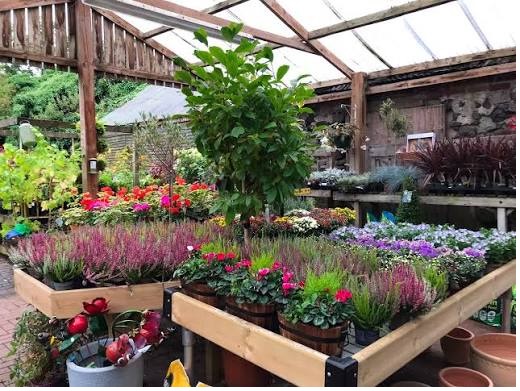
Garden centres play a vital role in helping customers select and care for plants. To provide exceptional service, staff needs reliable, consistent, and up-to-date plant knowledge. When information is scattered or outdated, employees may struggle to answer questions accurately, which can affect customer satisfaction and sales. Providing a system that delivers consistent plant knowledge empowers garden centres to operate efficiently, enhance customer experience, and strengthen their reputation as trusted horticultural experts.

The Importance of Consistent Plant Knowledge

Accurate and current plant information is essential for guiding customers and maintaining healthy plants. Garden centre staff faces numerous questions daily, ranging from care requirements to plant characteristics. Consistent knowledge ensures all team members provide the same expert guidance, reducing confusion and building customer trust. Researchers document seasonal variations and flowering patterns using time-stamped Plant photos in plant data repositories.

Benefits of maintaining consistent plant knowledge include:

Plants Data

  • Enhanced customer confidence and satisfaction
  • Reduced misinformation about plant care
  • Improved staff training and onboarding
  • Increased sales through informed recommendations
  • Streamlined operations and inventory management
  • Stronger reputation as a knowledgeable centre

Key Features of an Up-to-Date Knowledge System

A robust knowledge system ensures staff can access accurate plant information quickly. By centralizing knowledge in an easy-to-use platform, garden centres can keep their teams informed and ready to assist customers.

Essential features often include:

  • Detailed plant profiles with care instructions
  • Visual guides for identification and selection
  • Seasonal planting and maintenance tips
  • Pest and disease management guidance
  • Easy search and filtering options
  • Role-specific access for staff and managers
  • Integration with inventory systems for accurate availability

These features allow staff to deliver professional advice consistently, enhancing the overall shopping experience.

Supporting Staff Training and Expertise

Consistent, updated plant knowledge not only improves customer interactions but also strengthens staff skills. With access to accurate information, employees can learn faster, develop expertise, and confidently handle complex queries.

Training benefits include:

  • Faster onboarding for new team members
  • Continuous skill development for existing staff
  • Reduced dependence on external references
  • Clear understanding of plant requirements and care schedules
  • Ability to provide tailored advice for different customer needs

By investing in knowledge systems, garden centres create a culture of expertise and professional growth.

Enhancing Customer Experience

Customers are drawn to garden centres where staff provides accurate, helpful guidance. Access to up-to-date plant knowledge enables staff to recommend the right plants, care strategies, and solutions for common issues.

Customer experience improvements include:

  • Accurate advice for plant selection and care
  • Confidence in plant health and longevity
  • Guidance for seasonal planting and maintenance
  • Personalized recommendations based on customer goals
  • Improved trust and loyalty with knowledgeable interactions

A positive customer experience drives repeat visits and builds a loyal clientele.

Driving Operational Efficiency

A centralized knowledge system also improves operational efficiency. Staff can find answers quickly, reducing the time spent searching through manuals, notes, or outdated resources.

Operational advantages include:

  • Streamlined information access for staff
  • Fewer errors in plant care and recommendations
  • Better planning for seasonal stock and promotions
  • Faster problem-solving for plant health issues
  • Clear communication across all departments

Building a Future of Horticultural Excellence

By assisting garden centres with consistent, up-to-date plant knowledge, teams become better equipped to deliver expert advice and exceptional customer service. Centralized, accurate information supports staff, improves operations, and enhances customer trust.

Garden centres that prioritize reliable plant knowledge foster a culture of excellence, ensuring both plants and customers thrive in a positive, informed environment.

What Makes a Top‑Rated Daycare on the Gold Coast (and what doesn’t)

Picking a daycare shouldn’t feel like speed dating with your child’s routine. But it does. One tour looks spotless, another has a “great vibe,” and suddenly you’re trying to compare apples, oranges, and a laminated daily schedule.

Here’s the thing: top-rated Gold Coast daycares tend to win in the same places, safety that’s boringly consistent, staff who are properly trained (and stay trained), and learning that actually fits how little kids develop, not how adults wish they developed.

A daycare can be warm and still be rigorous. The best ones are.

Hot take: a “nice” daycare isn’t the same as a good one

If a centre—unlike Merrimac’s top-rated daycare facility—relies on friendliness and cute crafts to do the heavy lifting, I get suspicious. Warmth matters, obviously, but quality shows up in systems: supervision habits, incident documentation, allergy procedures, staff mentoring, and how the room runs when the director isn’t watching.

One line that lives in my head from years of visiting centres: if the routine only works when one “star educator” is on shift, it’s not a strong program. It’s fragile.

The pattern you’re looking for: standards + engagement

Top-rated centres are rarely “perfect.” They’re predictable. Policies aren’t just written, they’re practiced. Children are busy, not overstimulated. Educators aren’t just “good with kids,” they’re competent professionals who can explain why they do what they do.

And yes, families feel it.

One good sign: you can ask an awkward question (“How often do you run emergency drills?”) and they won’t get defensive. They’ll answer clearly and show you where it’s documented.

A 7-step framework to choose well (without losing your mind)

Some people tour ten daycares and still feel unsure. I prefer a tighter method: fewer centres, deeper evaluation. Use this as a scorecard in your head (or on paper if you’re that organised).

1) Safety and compliance: the non-negotiables

Secure entry. Clear sign-in/out. Visible supervision. Safe sleep practices. Safe nappy-change hygiene. Sun protection that’s actually enforced.

Also check licensing and inspection history. If a centre hesitates to discuss their compliance record, that’s… revealing.

A quick data point for context: in Australia, the national regulator reports that roughly 90% of services meet or exceed the National Quality Standard (varies by year and state/territory). Source: ACECQA, NQF Snapshot (latest available at time of reporting). That means plenty are “fine.” You’re looking for the ones that are demonstrably better than fine.

2) Ratios and groupings (because maths becomes your child’s reality)

Ratios aren’t just a regulation, they shape the whole day. A room can have a gorgeous curriculum, but if educators are constantly putting out fires, children get less language input, less calm, less intentional teaching.

Ask how they manage:

– transitions (arrival, nappies, lunch, pack-up)

– mixed ages (if applicable)

– staff breaks (this is where supervision can get sloppy)

3) Curriculum fit: developmentally sound or just “busy”?

Look for a program that matches age milestones without treating kids like checklists.

I like to see intentional play: educators setting up environments that invite exploring, building, negotiating, pretending, problem-solving, then stepping in at the right moments to extend learning. Not hovering. Not ignoring.

If they talk about “school readiness,” ask what they mean. In my experience, the best answer isn’t “worksheets.” It’s self-regulation, language, social confidence, curiosity, persistence.

4) Operational reliability: hours, fees, and the reality of life

Child care

Now, this won’t apply to everyone, but if your schedule is tight, reliability matters almost as much as pedagogy.

Get clear on:

– opening/closing policies (and late fees)

– fee structure and inclusions (nappies? meals? sunscreen?)

– waitlist mechanics (how they prioritise, how often it moves)

– backup staffing plans (what happens when two educators call in sick?)

If a centre can’t explain its own billing clearly, I don’t trust it to run the rest of the operation cleanly either.

5) Staff quality: credentials plus what they do with them

Certificates are table stakes. What matters is whether training shows up in the room: language scaffolding, behaviour guidance, safe sleep, inclusive practice, observation notes that aren’t fluff.

Ask directly:

– Who’s the Educational Leader and what’s their role week-to-week?

– What’s the supervision/mentoring approach for new staff?

– How do they support children with additional needs?

A good centre doesn’t treat professional development like a compliance chore. It’s part of the culture (and you can usually feel that within 10 minutes).

6) Nutrition and allergy management (this is where sloppy centres get caught)

Menus should be real, not aspirational. Allergy protocols should be specific, not “we’re careful.”

Listen for concrete systems: labelled food zones, staff training, documented plans, clear communication with families, and procedures for celebrations and outside food. Bonus points if they can explain how they reduce cross-contamination without making mealtimes stressful for kids.

7) Environment and cleanliness: not fancy, functional

Some of the best rooms I’ve seen weren’t Instagram-worthy. They were calm, organised, and designed for children to do things independently.

Look at floors, bathrooms, handwashing setup, nappy areas, and how toys are stored. Also check outdoor space: shade, fall zones, maintenance, and whether kids get meaningful time outside or just “a run” when staff are overwhelmed.

One-line truth:

Cleanliness is a systems issue, not a motivation issue.

What “qualified staff” actually means (beyond a certificate on the wall)

Qualified teaching credentials (the technical view)

A genuinely qualified team shows a blend of formal education, supervised practice, and role-appropriate certification (including current first aid/CPR, anaphylaxis, asthma training where required). The centre should be able to confirm credentials easily and keep records current.

But I’m opinionated here: qualifications only matter if educators can translate theory into day-to-day practice, how they set boundaries, how they guide peer conflict, how they notice a quiet child slipping to the margins.

Ongoing professional development (the cultural view)

The strongest services treat training like a feedback loop:

observe → reflect → train → implement → review.

If they can describe recent training and what changed afterward, you’re in a better place. If professional development is vague (“we do training sometimes”), it often means the learning isn’t embedded.

I’ve also seen family involvement done well here: not parents “teaching the teachers,” but genuine partnership, sharing cultural practices, supporting toilet learning routines, aligning behaviour language between home and care (small changes, big payoff).

Age-appropriate learning: what you’re actually checking for

Age-appropriate curricula

Good programs don’t rush children into academic performance. They build the foundations that make later learning easier: attention, language, coordination, social problem-solving, confidence.

Activities should be:

– achievable with a stretch

– adjustable for different readiness levels

– linked to observable skills (not just “we did painting!”)

And yes, play counts as learning when educators are intentional about it.

Milestones by age (use them as guideposts, not weapons)

Milestones help you see whether a centre understands child development. They’re not there to label children as “ahead” or “behind” (that mindset causes more harm than people realise).

What I like to see: educators tracking progress in practical ways, communication, motor skills, social-emotional growth, then telling families clearly what they’re noticing and what they’re doing next.

Also: safety and wellbeing aren’t separate from development. A centre that integrates playground risk management and nutrition routines into daily learning is usually thinking at a higher level.

Learning activities alignment

This is where average centres get messy. They’ll have great individual activities but no coherent progression.

Ask how they plan across weeks:

– Are experiences repeated and deepened, or constantly swapped for novelty?

– Do routines reinforce goals (language, self-help skills, cooperation)?

– How do they document learning without turning educators into clipboard zombies?

The sweet spot is a program that’s structured enough to be consistent and flexible enough to fit real children.

Safety: policies are easy; execution is the test

Safety is visible in tiny moments: a headcount before moving outside, an educator positioned at the doorway during pickups, a choking hazard removed without drama, a clear incident report written the same day.

Look for:

– drill documentation (fire, lockdown or equivalent procedures)

– allergy and medication logs

– supervision plans outdoors and during transitions

– hygienic routines that don’t rely on “reminding staff” constantly

A nurturing environment isn’t the opposite of a strict one. The best centres are both: emotionally warm, operationally disciplined.

Communication with families (the trust-maker)

Some centres communicate like professionals. Others communicate like they’re hoping you won’t ask questions.

Effective communication has a rhythm:

– quick daily updates that are actually specific

– timely incident reporting (no delays, no minimising)

– regular progress summaries with real observations

– two-way channels that don’t punish parents for speaking up

Look, I’m biased: I’d rather receive fewer photos and more meaningful notes. A picture of a child holding a glue stick tells me nothing. A sentence about how they persisted with a tricky task or managed a peer conflict tells me a lot.

Community ties and stability: longevity isn’t a vibe, it’s evidence

A long-running centre with stable leadership and low staff turnover often has something you can’t manufacture quickly: institutional memory. They’ve handled staff transitions, policy changes, family conflicts, illness outbreaks, and the occasional chaotic Monday… and they’re still steady.

Strong signs include ongoing relationships with:

– local schools (not just “we visit once a year”)

– parks and community spaces

– child health services or allied health providers

– local family support organisations

If partnerships are real, they’re specific and consistent, not just logos on a newsletter.

Compare daycares like a pro (without pretending your gut doesn’t matter)

Do a side-by-side grid if you need clarity. Mix objective data with what you observe when you’re standing in the room.

What to compare:

– ratios, qualifications, compliance history

– cleanliness, supervision, room flow

– communication speed and transparency

– curriculum coherence and child engagement

– policies you can actually read (fees, incidents, sick days)

– staff stability and how relieved, or stressed, the educators look

Then do one final check: imagine your child having a rough day there. Who would notice first, and what would they do? The answer tells you more than the décor ever will.

That’s the standard top-rated centres quietly meet every day.